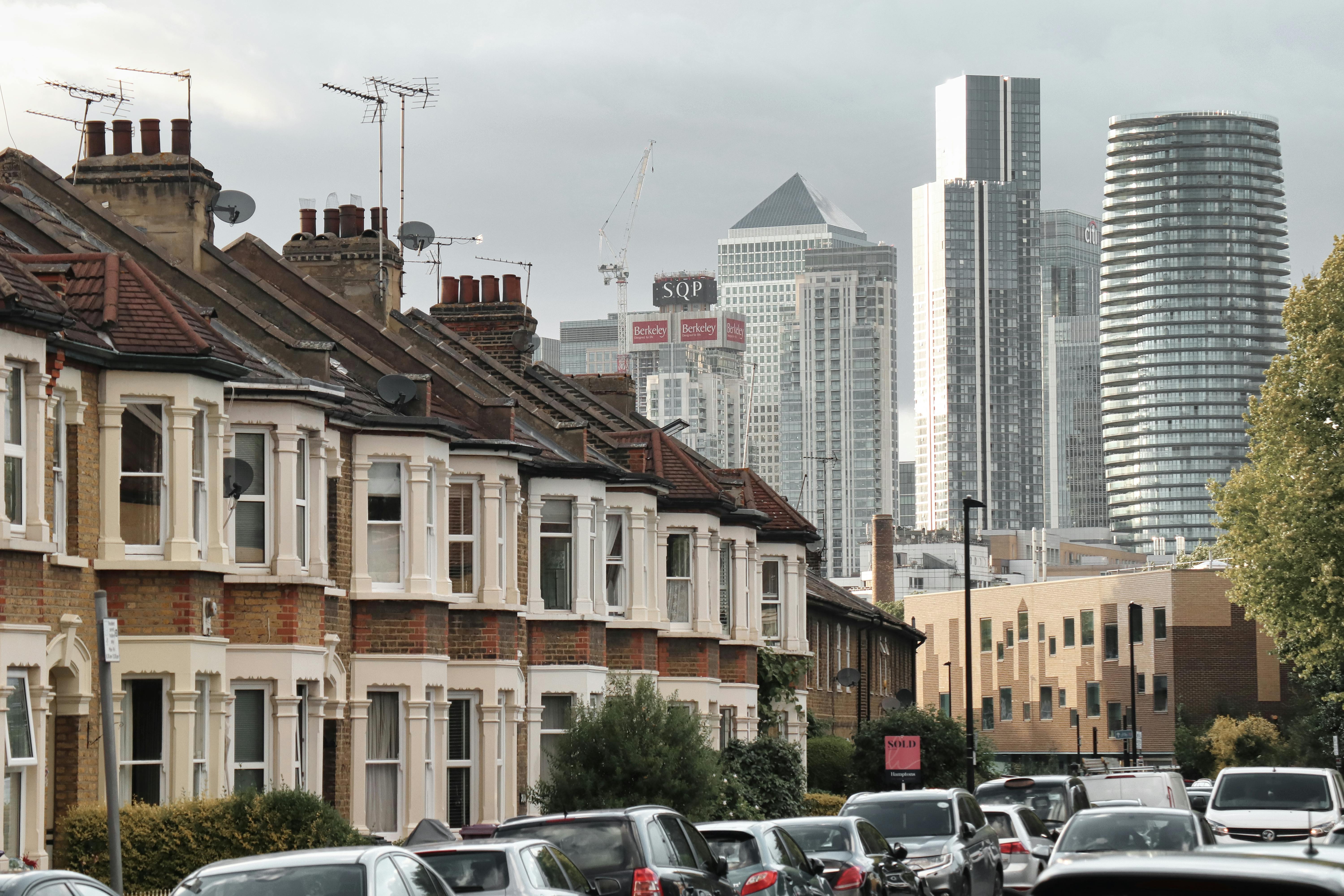
Londoners pay more stamp duty than north and Midlands combined
Dec 09, 2025 – Published in The Times UK
Buyers in the southeast bearing the brunt of ‘unfair’ tax and no respite offered by budget.
Homeowners in England have paid £63 billion in stamp duty over the past decade, with buyers in London stumping up nearly £25 billion - 150 per cent more than in the Midlands and the north combined.
The southeast was the second highest area behind London, with £14.8 billion spent on stamp duty, 24 per cent of the total, according to the property broker Jefferies London.
The tax has been branded “unfair” by the Conservative Party, whose leader, Kemi Badenoch, promised to scrap it in her party conference speech in October. The chancellor, Rachel Reeves, faced backlash after failing to announce any reform to stamp duty in her budget last week.
Nigel Farage, the leader of Reform UK, had promised to scrap it on properties under £750,000 before rowing back on that pledge amid concerns over public finances.
Jefferies London analysed Land Registry data for nearly eight million primary property transactions between October 2015 and September 2025. These were only residential properties, not buy-to-lets or second homes.
The northwest, West Midlands, East Midlands, Yorkshire and the northeast paid a combined total of £9.8 billion across the period. The northeast paid the lowest amount of stamp duty at just over £583 million.
James Cleverly, the shadow housing secretary, said: “Stamp duty is a bad tax. It’s an unfair tax. It’s a tax that punishes people for working hard, saving hard and aspiring to start a family or put down roots in their community.
“It puts a block on buying and selling, stopping people getting on the housing ladder and preventing others from downsizing and freeing up homes for young families, especially in areas with high housing demand. With housing transactions falling under Labour, we urgently need action to unfreeze the market.”
Damien Jefferies, the founder of Jefferies London, said: “Stamp duty has become one of the biggest structural barriers to housing market mobility, slowing transactions at every price level and adding significant friction to the process of moving home.”
Stamp duty is charged at a percentage of the overall price of the property and starts at 2 per cent between £125,000 and £250,000. The rate increases incrementally up to 12 per cent for the proportion of a property’s value over £1.5 million.
First-time buyers are exempt from paying it on properties under £300,000. Those buying additional properties usually have to pay an additional 5 per cent in stamp duty.
Scotland and Wales have similar land tax systems, which both have a top rate of 12 per cent of the property price.
Many argue that stamp duty stifles the housing market and provides a barrier to first-time buyers getting on the property ladder. There had been rumours ahead of the budget that Reeves was considering replacing it with a tax on sellers of properties worth more than £500,000.
However, this wasn’t brought forward and the chancellor instead opted to bring in a “mansion tax” on properties worth more than £2 million.
You might also be interested in

Jul 13, 2026 – Published in Property Industry Eye
Jefferies London has acquired independent estate agency Grange London as it expands its presence in the the capital’s prime lettings market. The deal adds a managed portfolio of more than 100 propert

May 12, 2026 – Published in Financial Times
After years working in London, Singapore, and Switzerland, property consultant and medtech investor Kas Bordier kept seeing the same thing: “High achievers burning out.” No great surprise there, but s