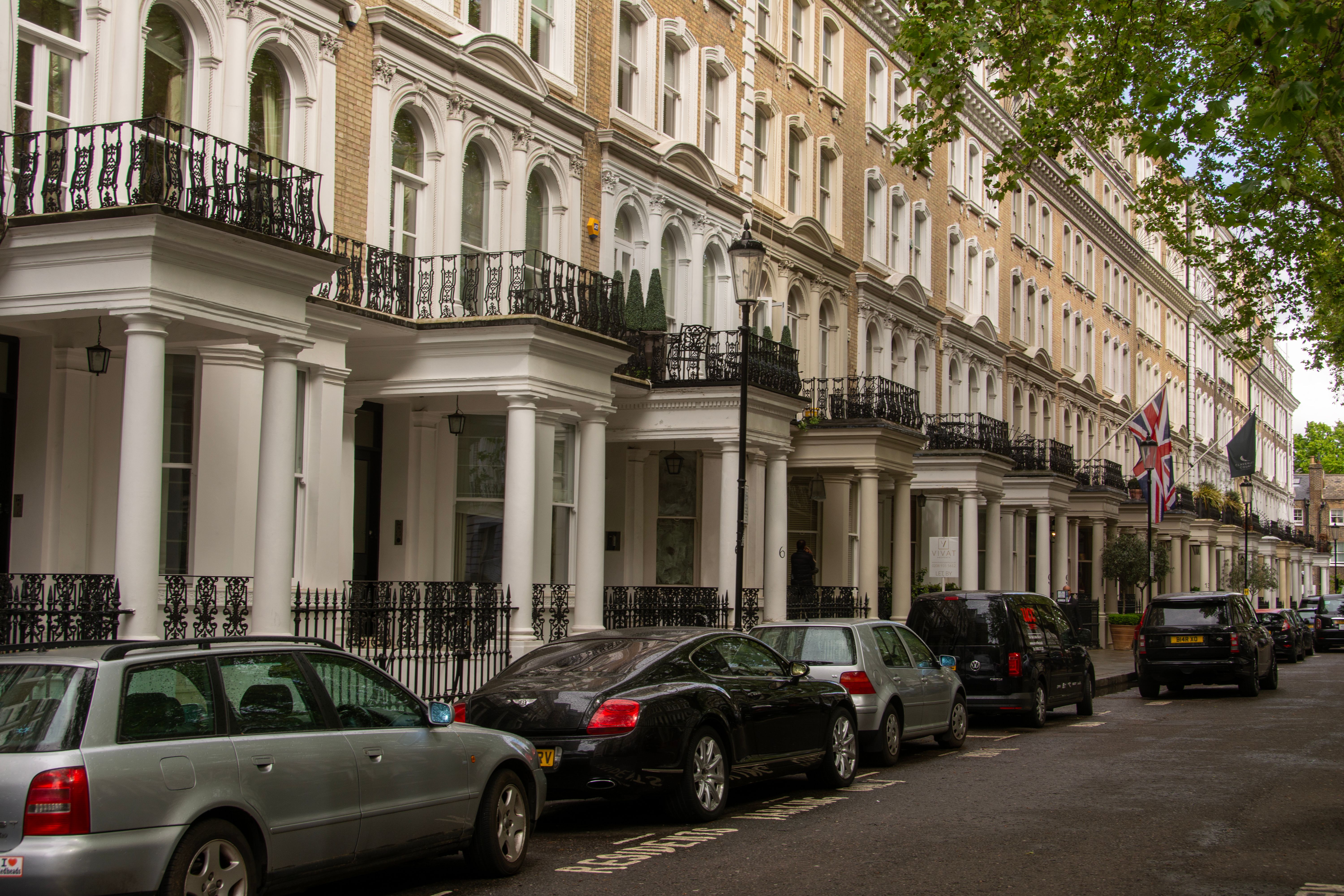
For anyone involved in London’s prime property market, the words “mansion tax” have an impressive ability to make buyers nervous and sellers reach for a calculator.
From April 2028, the proposed High Value Council Tax Surcharge will introduce an additional annual charge for homes valued at £2 million or more:
- £2m–£2.5m: £2,500
- £2.5m–£3.5m: £3,500
- £3.5m–£5m: £5,000
- £5m+: £7,500
The amounts themselves are unlikely to make someone sell a £10 million Belgravia townhouse. But that slightly misses the point.
It’s the cumulative effect that matters
Prime London buyers already face substantial Stamp Duty, additional costs for second homes and overseas ownership, changes to the non-dom regime and now another annual property tax.
For internationally mobile wealth, the question increasingly becomes not “Can I afford London?” but “Does London still make sense?”
London competes with Monaco, Dubai, Switzerland, Miami and New York for global capital. We cannot assume buyers will simply absorb every additional cost.
A £2 million London home isn't necessarily a mansion
This is perhaps the greatest irony.
In Chelsea, Kensington, Notting Hill and Westminster, £2 million can buy a relatively modest flat or family home.
It also creates an important psychological threshold. A property at £1.95 million potentially escapes the surcharge; one at £2.05 million doesn't.
For sellers around this level, accurate pricing will become increasingly important. Overpricing a property by 10% “to see what happens” becomes much harder to justify.
But here's where it gets interesting
Prime Central London has already undergone significant repricing. Buyers have more choice, properties are taking longer to sell and vendors are increasingly prepared to negotiate.
Add uncertainty surrounding the mansion tax and we may see more owners deciding that now is the time to sell.
That potentially means more stock, motivated vendors and greater negotiating power for buyers.
And that could create opportunity.
A buyer purchasing a £5 million-plus property might face an additional £7,500 annual tax. But if current market conditions allow them to negotiate £250,000, £500,000 or more from the purchase price, the mathematics looks rather different.
Don't underestimate London
London's fundamental attractions haven't disappeared.
It remains one of the world's great centres for education, finance, culture and international business.
More importantly, we cannot build another Belgravia. We cannot create another Chelsea. And there won't suddenly be another Kensington Palace Gardens.
The supply of genuinely exceptional Prime Central London property is inherently limited.
Taxation can affect values and confidence in the short term, but it cannot manufacture more of London's best addresses.
So, should buyers wait?
Trying to identify the absolute bottom of any property market is almost impossible. You normally only discover where the bottom was after you've passed it.
What buyers can identify is leverage.
And right now, buyers have it.
The mansion tax may create further caution, particularly around the £2 million threshold. It may also persuade some owners who were already considering selling to finally make the move.
For buyers with a five-, ten- or fifteen-year horizon, I believe that could present some very interesting opportunities.
London property has always moved in cycles.
And occasionally the best time to buy a mansion is when everybody is talking about the tax on it.
Damien Jefferies
Prime & Super Prime Property Advisor
Jefferies London
Thinking about buying or selling in Prime Central London?
The impact of taxation, pricing and market conditions can vary significantly depending on the property, location and buyer profile. For a confidential discussion about your position in the Prime Central London market, speak to the Jefferies London team.
You might also be interested in
London's prime property market is becoming increasingly selective, with buyer demand varying significantly by location, price bracket and property quality. While overall demand for homes priced betwee
Unless, of course, you're buying.
There is a rather strange phenomenon in the property market. When London house prices are rising rapidly, everybody says: “I wish I'd bought five years ago.” When London house prices fall, everybody s